
Tura, April 23: Meghalaya could be made drug-free within five years, but only through coordinated action across government and society, said Francis Kharshiing, Mission Director of DREAM, on Thursday, as officials flagged growing concerns over substance abuse and safety risks among children in West Garo Hills.
DREAM (Drug Reduction, Elimination and Action Mission) is a state-level programme aimed at tackling the growing menace of drug addiction. Under the initiative, the state government has earmarked ₹50 crore over five years to support rehabilitation efforts, particularly through faith-based and community-led organisations.
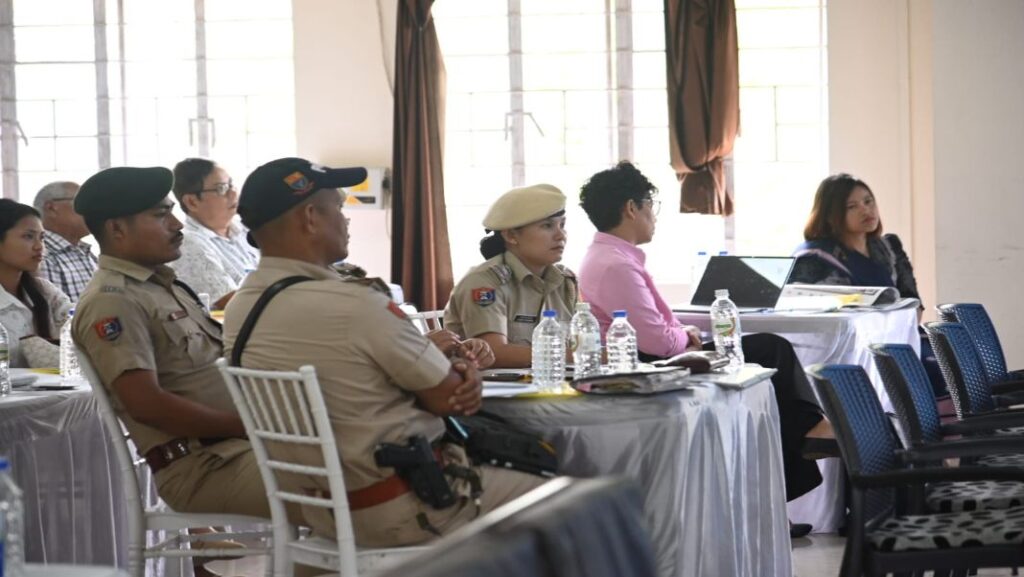
The mission adopts a comprehensive approach focusing on enforcement, prevention, treatment, and recovery, bringing together NGOs, schools, law enforcement agencies, and the public.
With rising concerns over substance abuse and online risks among children, the Meghalaya State Commission for Protection of Child Rights (MSCPCR) on Thursday convened a high-level consultation in West Garo Hills, calling for urgent, coordinated action across departments and communities.
Speaking at the event, Kharshiing reiterated that the goal of a drug-free Meghalaya would require collective responsibility. “This fight cannot be isolated—it demands coordinated action from government agencies and active public participation,” he said.
The one-day conference on “Safety & Security, including Cyber Security of Children in Schools”, held at SMELC Hall in Dakopgre, brought together officials, NGOs, and community representatives to address growing vulnerabilities among school-going children.
MSCPCR chairperson Agatha K. Sangma flagged the easy availability of drugs and tobacco to minors as a serious and escalating threat. She warned that Meghalaya’s proximity to the Golden Triangle—a known hub for illicit drug production—has increased its exposure as a transit corridor, making children particularly vulnerable.
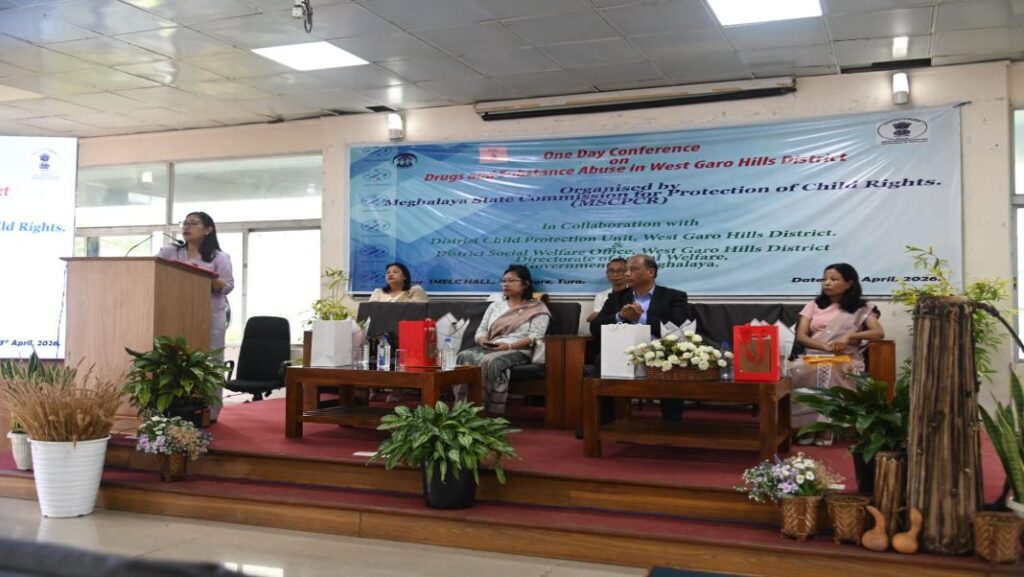
Calling for immediate safeguards, Sangma stressed that the younger generation is growing up in an environment increasingly influenced by illegal substance networks, and protecting them must be a top priority.
The consultation featured technical sessions on the current drug abuse scenario in West Garo Hills, testimonies from recovering users, and discussions on rehabilitation and prevention strategies. A panel discussion further explored ways to strengthen intervention mechanisms at the grassroots level.
Officials from multiple departments, child rights groups, NGOs, and local committees participated in the deliberations, signalling a broader push toward integrated, community-led responses.
The conference concluded with a shared resolve to intensify efforts in curbing addiction and ensuring safer physical and digital environments for children across the district.