
Guwahati, April 30: For the first time, a Tokay Gecko has been recorded in the Dehing-Patkai region of upper Assam’s Tinsukia district on Sunday morning.
According to experts, earlier it was not spotted in the Dehing Patkai region of upper Assam.
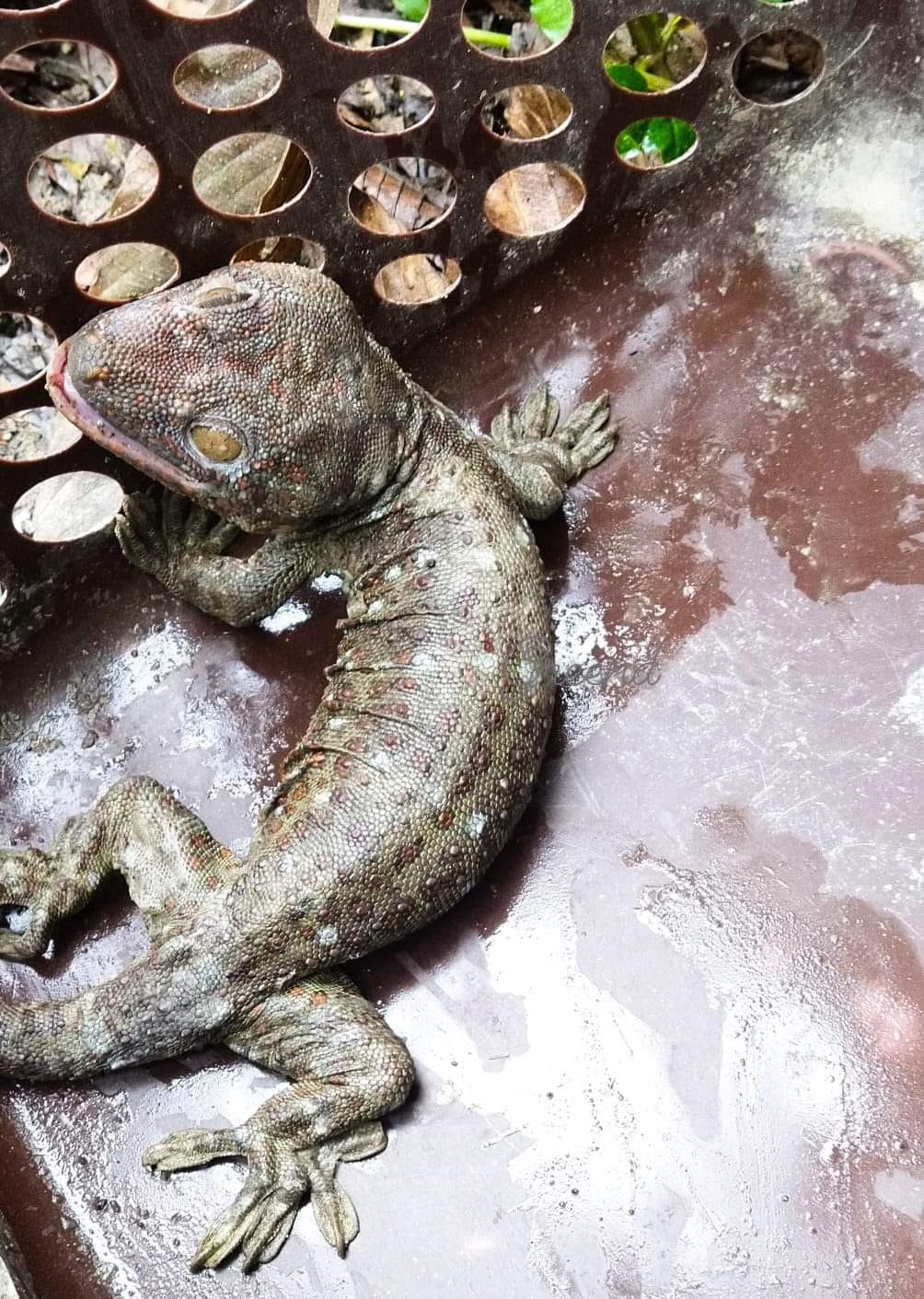
Devojit Moran, an environmentalist of the region, said, “One of my well-wisher Vijay Munda spotted this Tokay Gecko at Ultapul area under Digboi Forest Division in the middle of NH-38 in Makum-Digboi road this morning while picking up passengers in his auto. He informed me over phone. I immediately came and saw that it was Tokay Gecko. After that I confirmed it with experts about the development.”
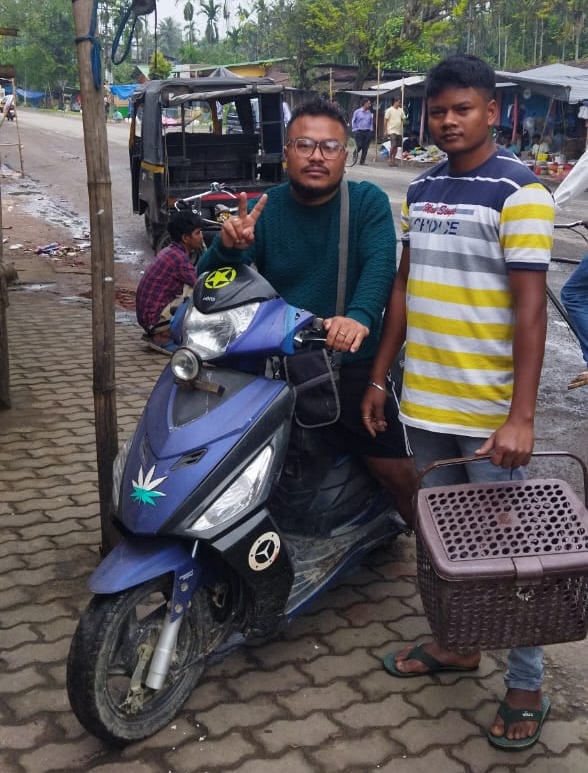
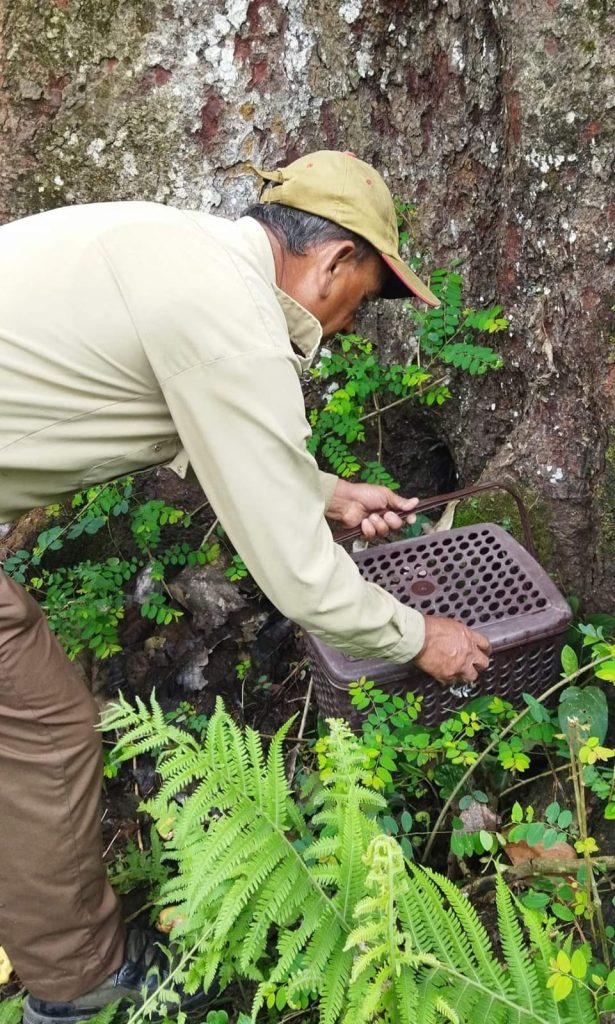
“After a while along with Forest department, we went and rescued the Tokay Gecko and released it into the wild. We are proud that for the first time we have spotted and rescue Tokay Gecko. We would like to thank our well wisher Vijay Munda for his help in rescuing this rare tokay gecko for the first time,” Moran added.
He further informed that Tokay Gecko is found mostly in Mizoram and Karbi Anglong. This species is smuggled to other countries because some believed that it has medicinal benefits. Chinese believe that the species has medicinal benefits and they use it in their traditional medicines.
“In 2014, the gecko was listed in Schedule 4 of India’s Wildlife (Protection) Act of 1972. This meant there could be a three-year jail term for someone convicted of hunting and smuggling geckos. In 2018, the Assam State Biodiversity Board included the Tokay Gecko and the Assamese Day Gecko in a new list of threatened species,” he said.
The Tokay Gecko, an arboreal and nocturnal reptile is one of the largest gecko species found in India and second-largest gecko species globally. Male Tokay Geckos are larger and more brightly coloured than the females. Tokay Geckos are one of the largest geckos alive today. Males range from 13-16 inches (35-40) centimetres) and female about 8-12 inches (20-30 centimetres). Females are not only smaller than males but also differ in colour.
The species is protected under Appendix II of the Convention on International Trade in Endangered Species (CITES) meaning international trade (including in parts and derivatives) is subject to the CITES permitting system.