
SHILLONG, Aug 10: Bamboo shoots have emerged as the highest-return non-timber forest product (NTFP) in Meghalaya, according to a Nagaland University study that has identified and assessed the economic value of 47 forest products used by communities across Nagaland and Meghalaya.
The study, conducted across 20 villages and 250 households, highlights the significant contribution of NTFPs to food security, traditional healthcare and household incomes among forest-dependent tribal communities in the two states.
While bamboo shoot emerged as the highest-return NTFP in Meghalaya, wild black pepper was found to be both the most commonly collected and highest-return NTFP in Nagaland.
The researchers documented 47 plant- and animal-based NTFPs, examining how communities collect, use and sell them. The study also recorded their seasonal availability, frequency of collection, time spent on collection trips and distances travelled by villagers.
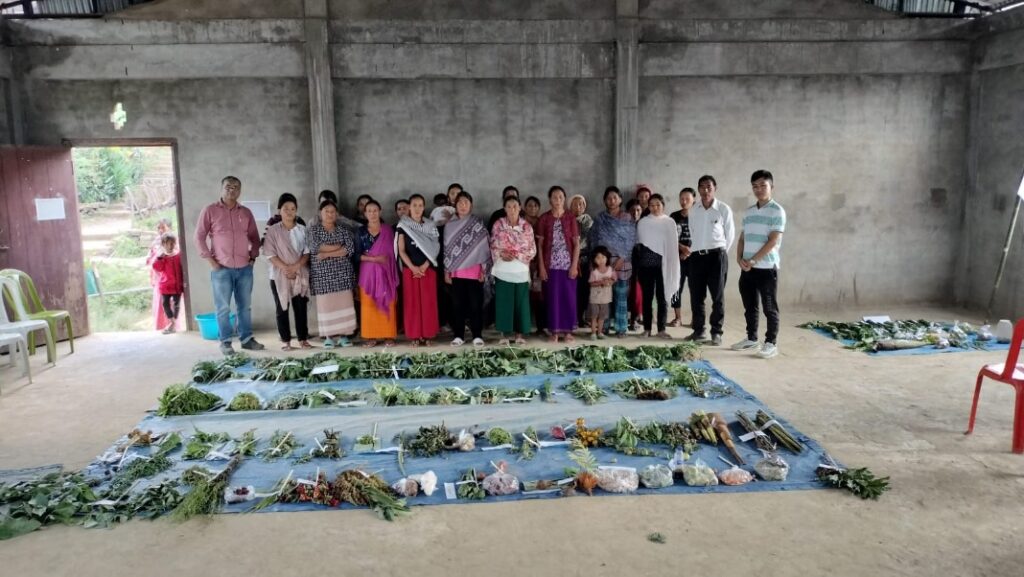
For communities in Meghalaya, the findings point to the economic potential of forest resources that have long been part of traditional diets and livelihoods but whose commercial value remains relatively underdeveloped.
The study found that most of the identified NTFPs were used primarily for food and nourishment, followed by therapeutic purposes. Surplus produce was sold in local markets, providing an important source of supplementary household income.
Researchers said the potential goes beyond direct sales, with opportunities for value addition, local entrepreneurship and employment in remote forest-dependent communities.
“Despite India’s rich biodiversity, the economic value of many Non-Timber Forest Products remains inadequately recognised,” said Prof. Sanjoy Das, Department of Agricultural Economics, Nagaland University.
The research team said scientific identification and economic valuation of NTFPs could help communities and policymakers better understand their contribution to rural economies.
However, the researchers cautioned that greater commercialisation should not come at the cost of forest health. They called for ecological assessments and scientifically developed harvesting guidelines to ensure sustainable collection and prevent depletion of valuable resources.
The study noted that Northeast India contains more than 33 per cent of India’s total flora and supports more than 100 indigenous communities that depend on forest resources for food and income.
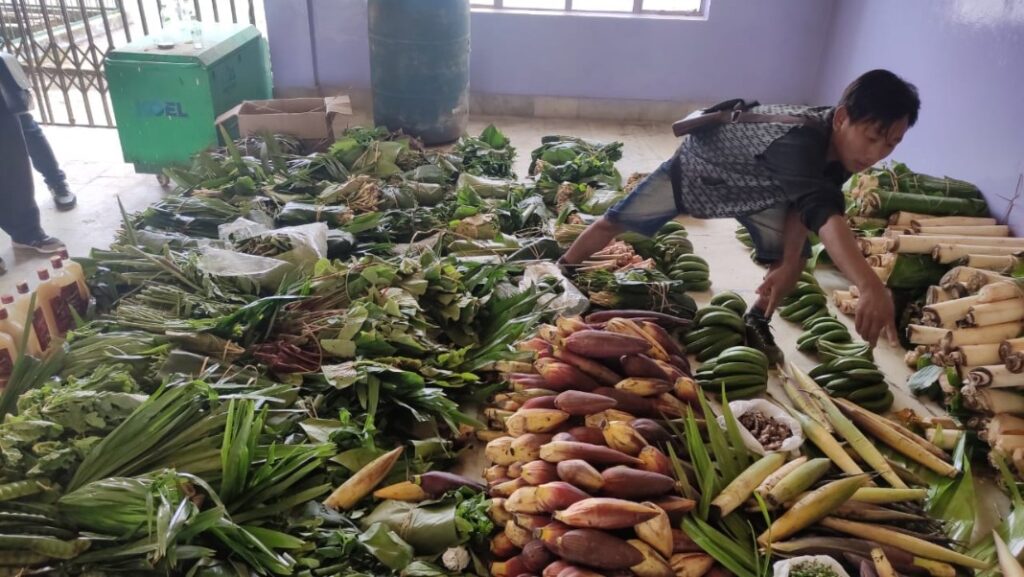
Despite an estimated 3,000 NTFP species in India, only around 126 have developed marketability, highlighting the considerable scope for research, processing, value addition and market development.
The researchers stressed that the real value of NTFPs extends beyond their market price. They also provide food security, traditional medicine, ecological services and cultural benefits to indigenous communities.
The study was published in the Indian Journal of Ecology. Its authors are Limasunep Ozukum, Prof. Sanjoy Das, Prof. Amod Sharma, Prof. R. Nakhro, Prof. N.K. Patra, Prof. Manoj Dutta and M. Jangyukala of Nagaland University’s School of Agricultural Sciences, Medziphema Campus.
Nagaland University Vice-Chancellor Prof. Jagadish Kumar Patnaik said the study would help recognise the potential of forest resources in strengthening rural livelihoods and food security in the Northeast.
For Meghalaya, the findings offer a fresh economic perspective on bamboo shoots and other forest products—suggesting that with scientific management, better processing and stronger market linkages, traditional forest resources could become a more significant source of rural income while supporting biodiversity conservation.


 in Meghalaya, according to a Nagaland University study that has identified and assessed the economic value of 47 forest products used by communities across Nagaland and Meghalaya.)