
Shillong, Dec 7: The Shyntor Festival is set to begin in just few more days at the picturesque Shyntor Bulia. But not much is known as to how the festival took shape or even the need of it when back-to-back festivals are going on across the state. Is the festival just one of those fancy festivals in a long line of events that the state has come to witness, especially during the winters, or is it something more, little different and with a purpose to address an underlying cause.
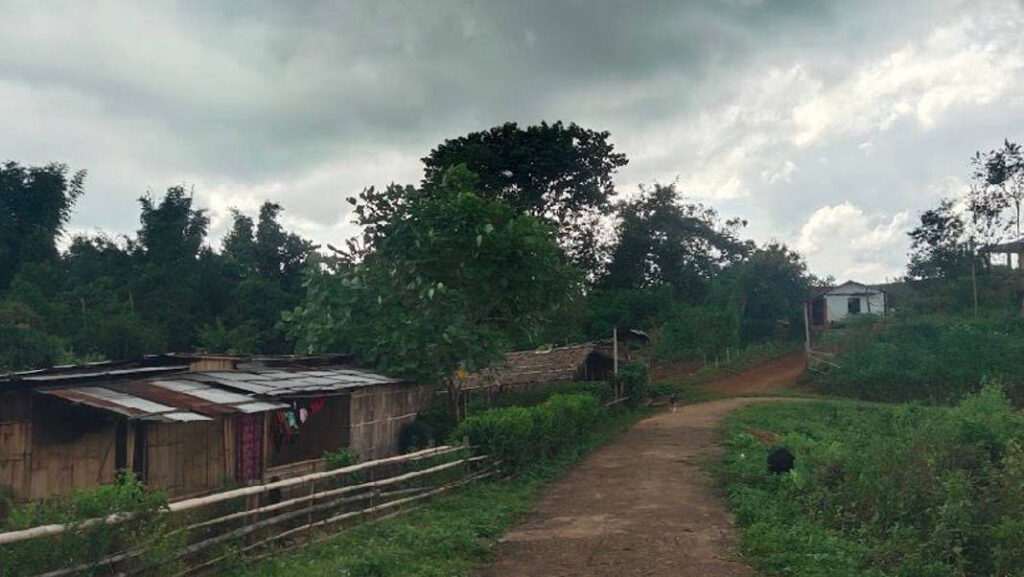
Nestled between the gentle flow of the Umsiang and Umsha rivers lies Shyntor Bulia – a serene village on the eastern edge of Ri Bhoi district, about 25 km from Nongpoh. Home to around 450 residents across 70 households, the village is rich in natural beauty but burdened by challenges such as limited road connectivity, an absence of a motorable bridge, and seasonal flooding during the monsoon that often cuts villagers off from essential services, including healthcare.
Despite its beauty, it doesn’t even produce a single image on Google Image search!
Ka Shlem got in touch with the organizers of the awaited festival to understand more about the festival and its goals and how it will benefit the local community. One of the organizers, Rosanna Lyngdoh, proprietor of Habasuk Farms, shared that it was during one of her early visits to Shyntor Bulia that she realized the farmers were struggling despite the land’s potential. Determined to empower them, she began working closely with the community by promoting agro-based products and advocating for agroforestry as a path toward sustainable livelihoods.
One initiative, driven by Jharna Foundation under its SPARSH vertical, saw the plantation of Moringa oleifera as part of a wider campaign “Planting 10,000 Moringas in Southeast Asia”, supported by the Global Campaign for Peace Education. The seeds were donated by Aien Amri, the campaign’s brand ambassador in Nagaland. The goal was to make Moringa – renowned for its nutritional and medicinal value – become a catalyst for community health and income through agroforestry.
Born from a shared commitment to uplift Shyntor Bulia, the Shyntor Festival is a collaborative effort led by Rongjeng Welfare Foundation (RWF), Dorbar Shnong Shyntor Bulia (village council), Habasuk Farms, Jharna Foundation — its arts and culture wing AVYANNA, Online Tent Service Centre and Film producer Rajendra Prasad (Tamil Nadu), and Rangtei Pyngrope, lead vocalist of Remnants band, who is also the brand ambassador for the music fest of the festival.
Visionaries including Babul Gogoi, Rosanna Lyngdoh, Satrupa Bhattacharjee, Jubanlang Kharbihkhiew, and Rajendra Prasad have come together to ensure that development here remains eco-friendly, sustainable, and community-driven.
Far from a typical commercial festival, Shyntor Festival is designed to raise funds for rural development, while protecting biodiversity and empowering villagers. Every detail from planning and design, to hospitality and food is rooted in the direct involvement of the local community. Food stalls will be run entirely by villagers, ensuring the benefits remain within the area.
The three-day eco-cultural celebration promises a vibrant mix of:
Live music performances
Sand animation and ventriloquism shows
Adventure activities and camping experiences
Authentic Khasi cuisine and culinary delights
Art spaces and hands-on engagements with the community
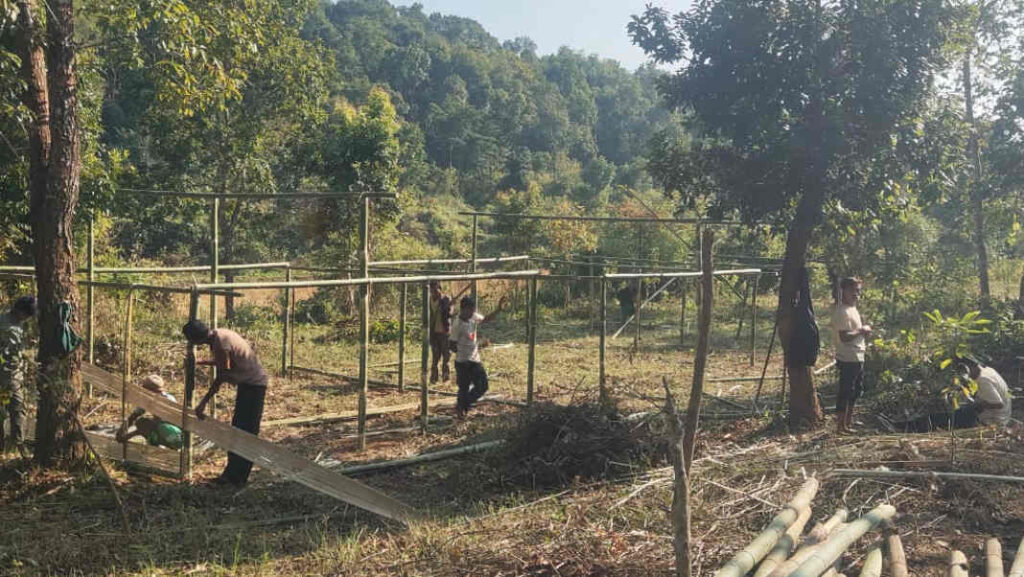
Accommodation options include camping tents, alpine tents, and traditional bamboo huts carefully managed by villagers themselves — offering guests a genuine taste of life in rural Meghalaya.
An exciting Art Residency Program will precede the festival, curated by National Award-winning sculptor Parthasarathy Kota. Renowned artists from Meghalaya and across the country will spend seven days in the village and exhibit their works during the festival.
The organizers hope to make it an annual affair if the inaugural edition does well, with plans to expand it further. The revenue from the festival will go back to the village for its development, ensuring better amenities and facilities with successive editions. They also hope to put the village on the tourism map of Meghalaya and the region, which will further boost the livelihood of the villagers.