
New Delhi, Apr 8: Meghalaya Chief Minister Conrad K. Sangma on Wednesday met Union Minority Affairs Minister Kiren Rijiju in New Delhi, raising concerns over key provisions of the proposed Foreign Contribution Regulation Act (FCRA) Amendment Bill, particularly those related to property seizure.
Deputy Chief Minister Prestone Tynsong was also part of the delegation, which included senior representatives of the Catholic Bishops’ Conference of India and other stakeholders.
The delegation—led by CBCI President Anthony Cardinal Poola, Secretary General Anil Joseph Thomas Couto, and Vice President Mathew Moolakkat—highlighted the critical role played by foreign-funded institutions in delivering education, healthcare, and social services across Meghalaya and the Northeast, especially in remote and tribal regions.
Expressing concern over certain provisions in the proposed amendments, the delegation said clauses related to property seizure have triggered apprehensions among Christian organisations and civil society groups. They called for wider consultations and a more deliberative approach before finalising the legislation.
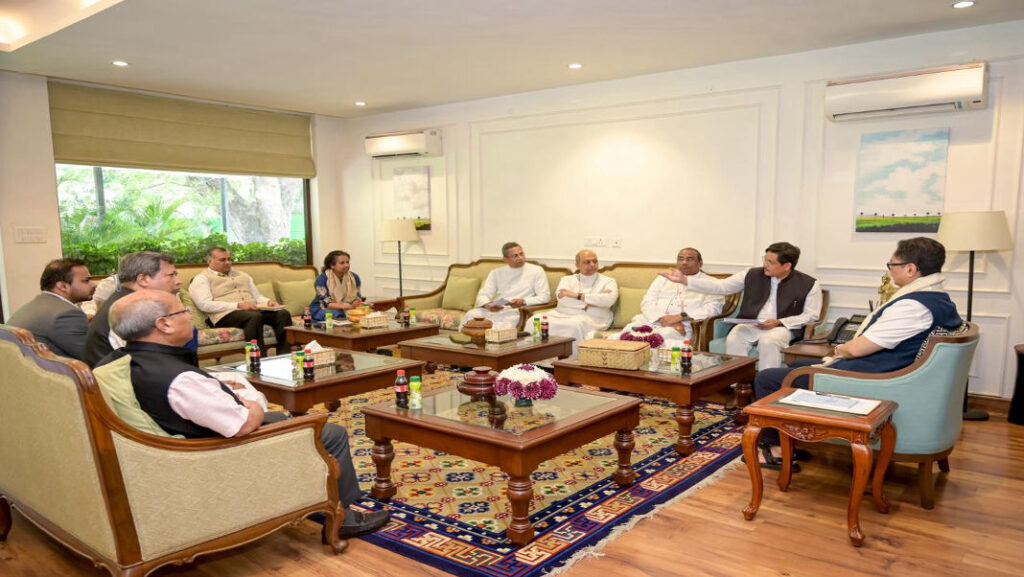
“We have conveyed the concerns expressed by Christian organisations, particularly regarding provisions related to seizure of properties, and emphasised the need for a balanced and consultative approach,” Sangma said after the meeting.
He underlined that institutions supported through foreign contributions have been “transformative” in reaching underserved populations, particularly in difficult terrains where access to basic services remains limited.
Rijiju, according to the Chief Minister, gave a patient hearing and assured the delegation that their concerns would be carefully examined. He also indicated that broader stakeholder consultations would be undertaken before any final decision on the amendments.
“I am encouraged by the Hon’ble Minister’s assurance that wider consultations will be held and that stakeholders’ concerns will be duly examined,” Sangma said, adding that the state government aims to work constructively with the Centre to strike a balance between national interests and the contributions of charitable and faith-based organisations.
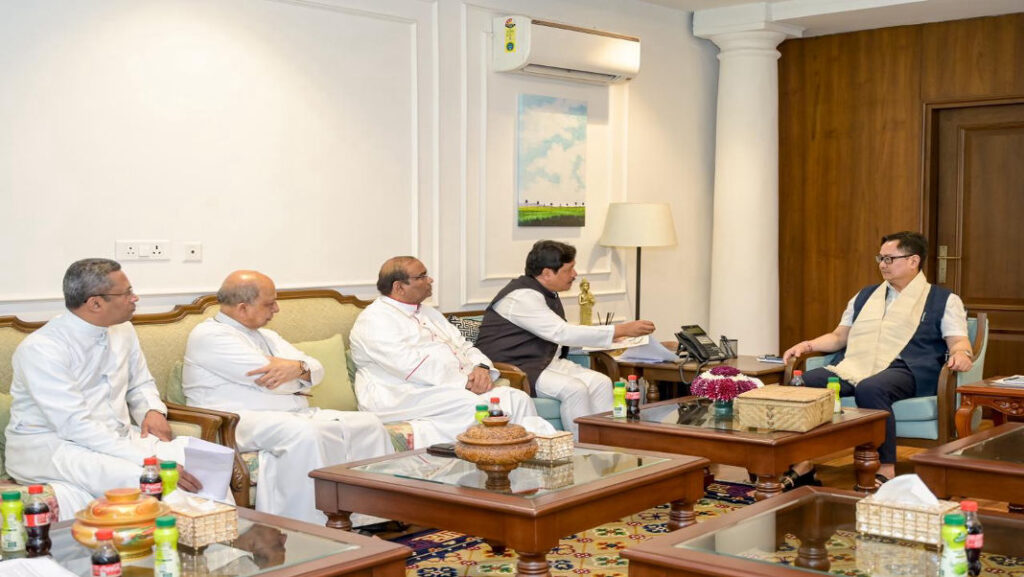
The delegation also stressed the need for safeguards within the law to ensure continuity of essential services while maintaining transparency and accountability.
“We remain hopeful that through dialogue and engagement, a solution will emerge that protects the rights of organisations while strengthening regulatory mechanisms,” the Chief Minister added.


 Amendment Bill, particularly those related to property seizure.)